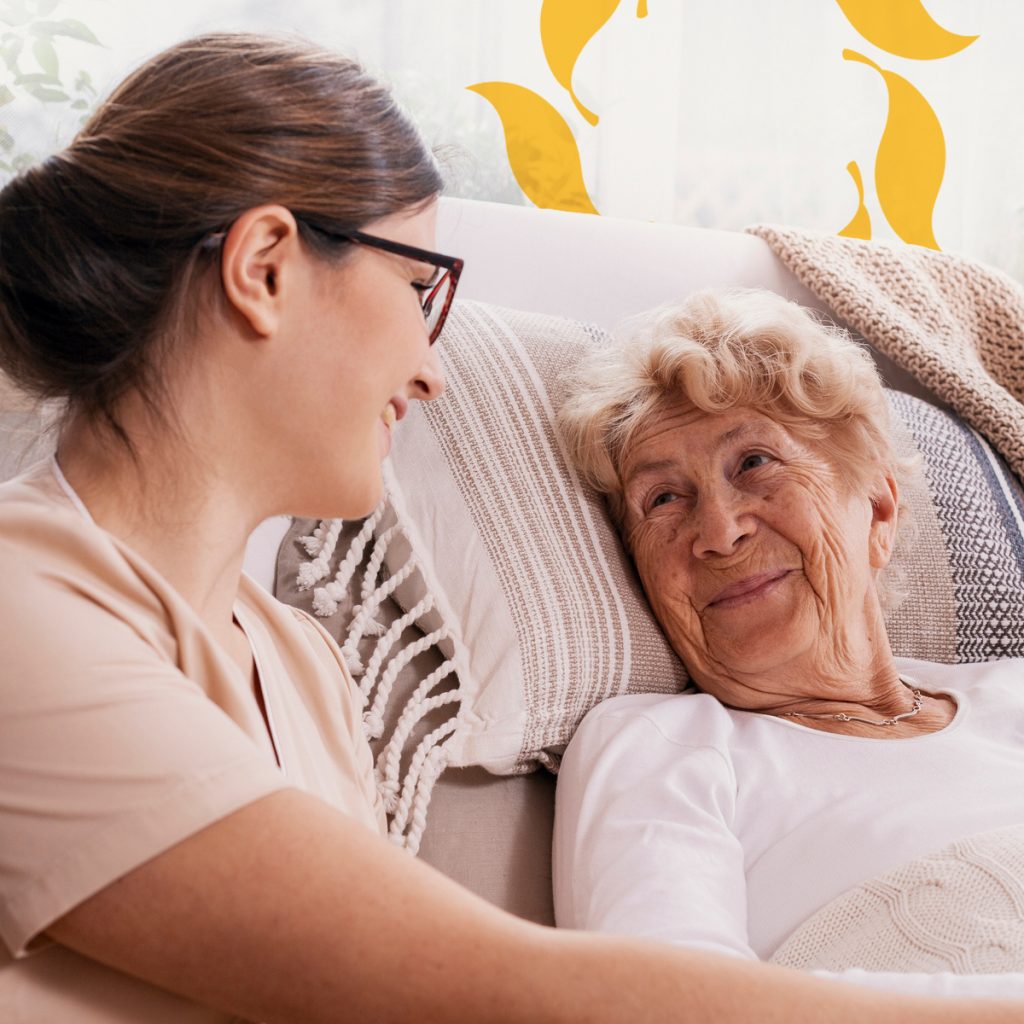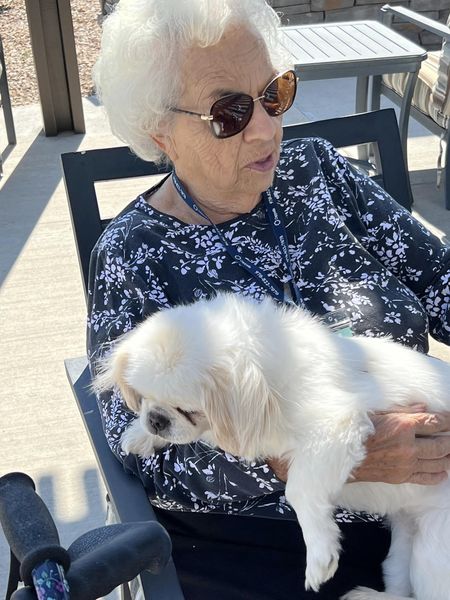
Aging in place, or living independently at home, is the way many older adults would prefer to live. It’s understandable why seniors desire to stay in the comfortable, familiar environment of the family home for as long as possible. However, as health, mobility, and cognitive changes occur, you may wonder if home is a safe place for your aging parents, or if you should consider other options.
Potential Hazards Of Aging In Place For Older Adults
An overwhelming 75% of older adults want to stay in their homes, according to a recent AARP survey, but roughly 44% are asking if home is the safest place for aging. When assessing whether home is a safe place for your parents, it’s important to evaluate both your loved one’s physical safety and emotional well-being.
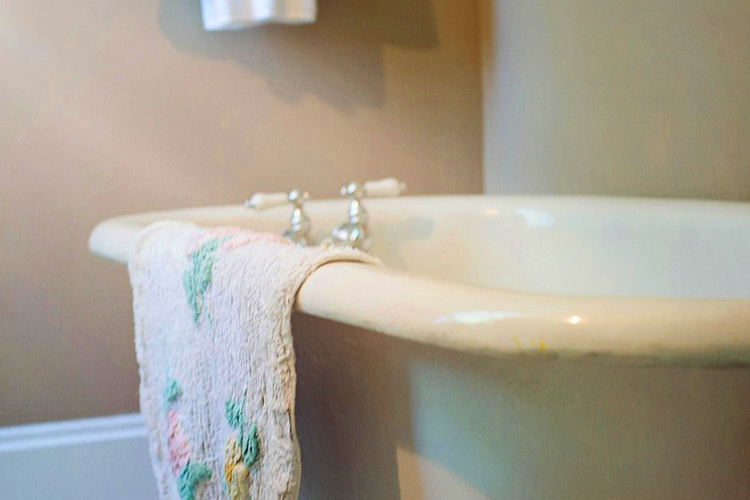
Difficulty Maintaining Physical Health And Safety At Home
As we age, our vision, motor skills, and hearing may change, and navigating and maintaining a home and caring for our physical health can become more challenging. Eventually, most older adults will need some form of help with activities that can pose physical risks, including:
- Navigating stairs
- Yard maintenance
- Cooking
- Managing medications
- Driving
The home that served someone with a growing family is often not suitable for retirement. Modifications to the home, such as grab bars and handrails, or remodeling to create a main floor bedroom might be necessary to make the home accessible and safe. Read AARP’s recommendations on making a home safer for seniors.

Challenges Maintaining Social Connection & Emotional Well-Being While Aging In Place
It’s common for social circles to get smaller as we get older—driving becomes more challenging or less frequent, friends and family move away, or health circumstances change or limit outings. The impacts of loneliness and social isolation on emotional and physical health are well studied. According to the National Institute on Aging, social isolation has been linked to higher risks of serious health conditions, such as high blood pressure, heart disease, depression, and cognitive decline.
For married couples, one spouse may take on more of the tasks of daily living, which can lead to resentment, depression, or rifts in their relationship. Adult children who step in to become caregivers find themselves in a role reversal that is challenging for everyone and that can lead to caregiver burnout.
Parents may be reluctant to ask for or accept help, not wanting to be a burden. Fear is also a factor, because admitting they need help means things will likely change. They might feel angry or embarrassed about not being able to maintain their independence and control over their own lives. This can lead to parents hiding information about their physical or mental well-being.
In-Home Support with Activities of Daily Living
For older adults who need only occasional help, remaining in their home can be a good choice. As needs increase, hiring a home health care professional is a viable option, but it is often a stopgap measure. A fall, an unforeseen health crisis, or burnout of family members who are providing care can force an emergency move. A better option for many is to think of moving into an assisted living community as a way to age in place in a new space.
Assisted Living: Offering Safe Independence for Older Adults
For many, assisted living may conjure images of a nursing home or hospital type of setting where people rehabilitate after surgery. Today, however, assisted living communities, like Cappella of Grand Junction, offer opportunities for solitude, socialization, and adventure for many seniors.
There is a wide variety of services and amenities to be found in a modern assisted living community including elevated dining experiences, fitness studios, beautifully maintained outdoor spaces, as well as lounges and living rooms with opportunities to safely socialize with other vibrant older adults. An assisted living community also offers a maintenance-free, private living option to age in place with the peace of mind that care and support is available when needed.
At Cappella of Grand Junction, residents live as independently and privately as desired, while receiving the support they need. Your parents may only need a small amount of support now, but if their needs increase, a higher level of support is available without interruption. You and your parents can experience peace of mind knowing that a caring support team is equipped to handle changing care needs. With a variety of floor plans to choose from, your parents can find an apartment to call home.
Assisted Living Residents Enjoy Built-in Community
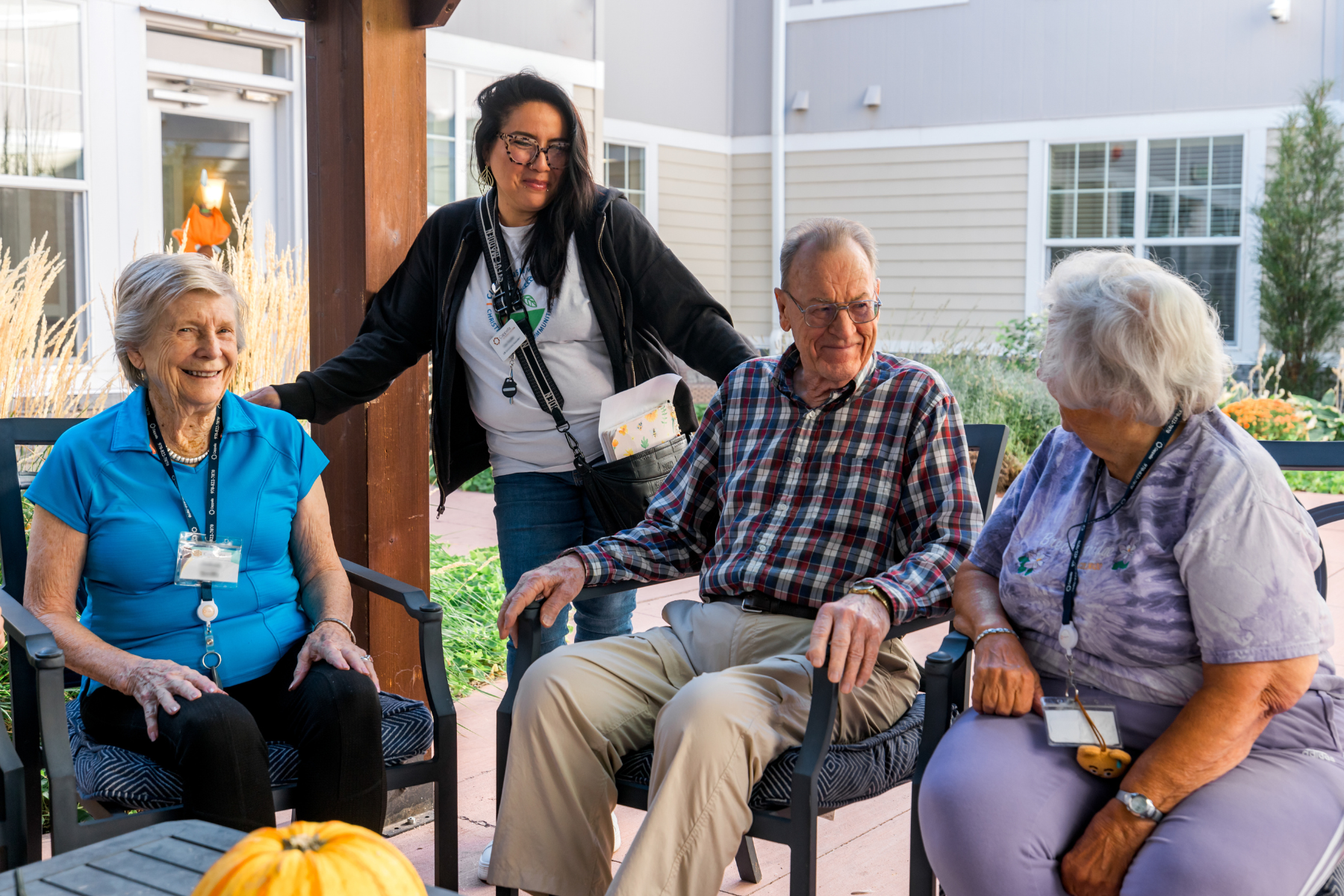
For older adults who would benefit from around-the-clock support, an assisted living community offers numerous emotional and physical health benefits. Life at Cappella of Grand Junction is built around the five pillars of wellness: the social, intellectual, physical, purposeful, and spiritual aspects of life. While seniors living at home may suffer from loneliness or isolation, they will find a vibrant community supported by these pillars at Cappella of Grand Junction.
The benefits of our life enrichment programming extend beyond keeping residents busy. Guided by the philosophy that every resident should “Be Well Known,” programs create opportunities to build meaningful relationships, pursue interests, try new things, and stay engaged in community life. These connections help to combat the feeling of loneliness, boredom, and isolation, and help foster a greater sense of belonging. Additionally, residents and their loved ones can experience the security that comes from having access to a team of dedicated professionals whose priority is to care for their physical and mental well-being.
Is it Time For Assisted Living?
It’s exciting for older adults to retire and have more time to enjoy hobbies and spend time with friends, and aging in place at home may seem appealing. For many seniors, however, that may mean a loss of independence. Familiarity with the Activities of Daily Living (ADLs) and the Instrumental Activities of Daily Living (IADLs) can be beneficial in deciding if it is time for a transition to assisted living.
Core Activities of Daily Living (ADLs) include:
- Bathing: Washing and maintaining personal hygiene
- Dressing: Selecting appropriate clothes and putting them on
- Eating: Feeding oneself independently
- Transferring: Moving safely between a bed and a chair
- Toileting: Getting on and off the toilet and cleaning up
Instrumental Activities of Daily Living (IADLs) include:
- Cooking: Preparing meals and shopping for food
- Housekeeping: Cleaning the home and doing laundry
- Finances: Managing money and paying bills
- Medications: Taking prescribed drugs on schedule
- Transportation: Driving or using public transit
Activities of daily living (ADLs) can become difficult and frustrating as older adults face changes in mobility and cognition. Although it is hard to admit we or someone we love needs extra help, it is better to be proactive and begin thinking about assisted living before noticing warning signs such as:
- Unexplained weight loss
- Neglecting personal hygiene
- Forgetting to pay bills or take medications
- Struggles talking on the phone or using familiar technology
- Depression or anxiety
The best time to explore assisted living is before it becomes a necessity. Planning ahead gives older adults the opportunity to make informed decisions, choose a community that reflects their lifestyle and values, and transition on their own terms rather than during a health crisis. Read more about knowing when it is time for assisted living.
Don’t wait for an emergency to start the conversation. We invite you to reach out to Cappella of Grand Junction today to schedule a tour or contact us for more information on how we can help you or your loved one embrace the next chapter with confidence.