
Caring for a loved one is one of the most meaningful roles a person can take on, but it also comes with a wide range of responsibilities. Understanding family caregiver responsibilities can help you feel more prepared, confident, and supported as you navigate this journey.
According to AARP, millions of Americans provide unpaid care for aging loved ones, often balancing emotional, physical, and logistical demands. Knowing what to expect and where to find help can make all the difference.
What Are Your Responsibilities As A Family Caregiver?
Family caregivers play a critical role in supporting the health, safety, and well-being of their loved ones.
Responsibilities can vary depending on the level of care needed, but often include:
- Assisting with activities of daily living (ADLs) such as bathing, dressing, and grooming
- Managing medications and attending medical appointments
- Preparing meals and monitoring nutrition
- Coordinating care with healthcare providers
- Handling household tasks like cleaning, laundry, and transportation
- Providing emotional support and companionship
- Monitoring changes in physical or cognitive health
Because these responsibilities can grow over time, it’s important to regularly reassess your loved one’s needs and your ability to meet them.
How Can I Take Care Of Myself As A Caregiver?
Caregivers often focus so much on others that they overlook their own well-being. However, maintaining your health is essential to providing sustainable care.
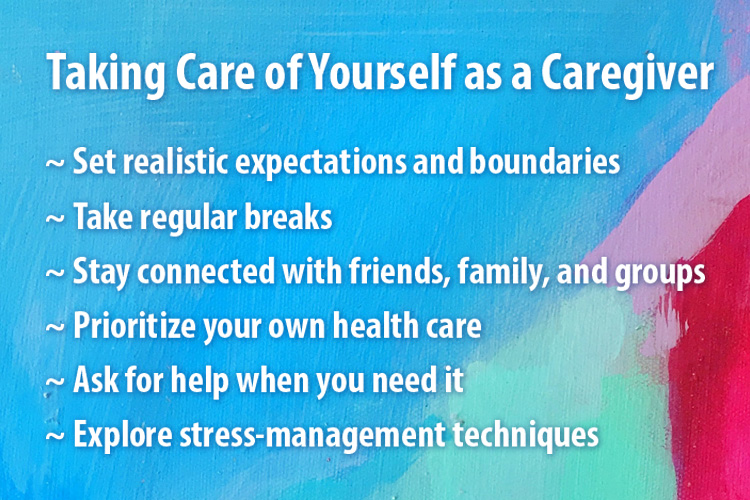
Here are a few ways to care for yourself while caregiving:
- Set realistic expectations and boundaries
- Take regular breaks, even short ones throughout the day
- Stay connected with friends, family, or support groups
- Prioritize your own medical appointments and health needs
- Ask for help when you need it and don’t try to do everything alone
- Explore stress-management techniques like walking, journaling, or meditation
Caregiver burnout is common, and recognizing the signs early can help you take proactive steps.
What Options Are Available If My Loved One Needs Extra Support?
If caregiving responsibilities become overwhelming, you’re not alone, and you have options. Many families find that supplementing care improves quality of life for both the caregiver and their loved one.
Below are three common support options to consider:
Respite Stays For Seniors
Respite care provides short-term relief for caregivers by offering temporary stays in a supportive community setting. This allows caregivers to rest, travel, or focus on other responsibilities while ensuring their loved one continues to receive professional care.
Respite stays can be a great way to:
- Prevent burnout
- Experience a senior living community before making a long-term decision
- Ensure continuity of care during temporary absences
Home Care Services For Older Adults
Home care allows seniors to receive assistance while remaining in their own homes. Services can range from a few hours of help per week to full-time care.
Home care may include:
- Personal care assistance
- Medication reminders
- Meal preparation and housekeeping
- Companionship
While this option offers flexibility, it’s important to consider how needs may evolve over time and whether the home environment can safely support long-term care.

Assisted Living Communities With Personalized Care
Assisted living communities provide a balance of independence and support, offering personalized care in a social, engaging environment.
Benefits often include:
- 24/7 access to trained staff
- Help with daily activities
- Structured activities and social opportunities
- Dining, housekeeping, and maintenance services
When evaluating assisted living, it’s worth looking beyond services to the community’s underlying philosophy of care. Communities guided by the Eden Alternative, a nationally recognized model that aims to eliminate the “three plagues of aging”: loneliness, helplessness, and boredom, intentionally foster well-being through companionship, purpose, and meaningful engagement.
Choosing a community powered by the Eden Alternative framework can give caregivers peace of mind, knowing their loved one is supported not only physically, but emotionally and spiritually as well.
For many families, assisted living helps reduce caregiver stress while improving overall quality of life for their loved one.

What Should I Look For In An Assisted Living Community?
Choosing the right community is an important decision. Further, there are many different types of specialized care for older adults. From skilled nursing to assisted living, it’s important to lean into your available resources to know what to ask about.
When evaluating options, consider the following:
- Level of care provided and how it can adapt over time
- Staff experience, training, and availability
- Cleanliness, safety features, and overall environment
- Social activities and opportunities for engagement
- Dining options and nutritional support
- Transparency in pricing and services included
- Feedback from current residents and families
Taking tours, asking questions, and spending time in the community can help you feel confident in your choice.
How Can Cappella Of Grand Junction Support You And Your Loved One?
At Cappella of Grand Junction, the team understands the challenges that come with family caregiver responsibilities. Their goal is to provide compassionate support while helping both caregivers and residents feel confident in the next step.
Families are encouraged to:
- Connect with the team to ask questions and explore options
- Schedule a tour to experience the community firsthand
- Learn more about care services, lifestyle offerings, and daily routines
- Enjoy a visit or a meal to get a true sense of the environment
Cappella of Grand Junction in Mesa County, Colorado is designed to feel welcoming, engaging, and resident-centered, supporting independence while ensuring personalized care is always available.
The Bottom Line
Family caregiving is a meaningful but demanding role. By understanding your responsibilities, prioritizing self-care, and exploring available support options, you can make informed decisions that benefit both you and your loved one.
You don’t have to navigate this journey alone; resources, support systems, and communities like Cappella of Grand Junction are here to help every step of the way.
Navigating family caregiver responsibilities can feel overwhelming, but you don’t have to do it alone. Our team is here to provide guidance, answer your questions, and help you explore care options that fit your loved one’s needs.
Reach out today to learn more and take the next step with confidence.