
Helping those living with dementia live well starts with a shift in focus. It is common, when someone receives a dementia diagnosis, for the diagnosis itself to become the center of attention rather than the person living with it.
Yes, things may become harder to remember. Familiar routines can become difficult, communication may change, and tasks that once seemed simple may require more time, patience, and support. Focusing on what remains, rather than only on what has changed, opens the door to a different kind of care.
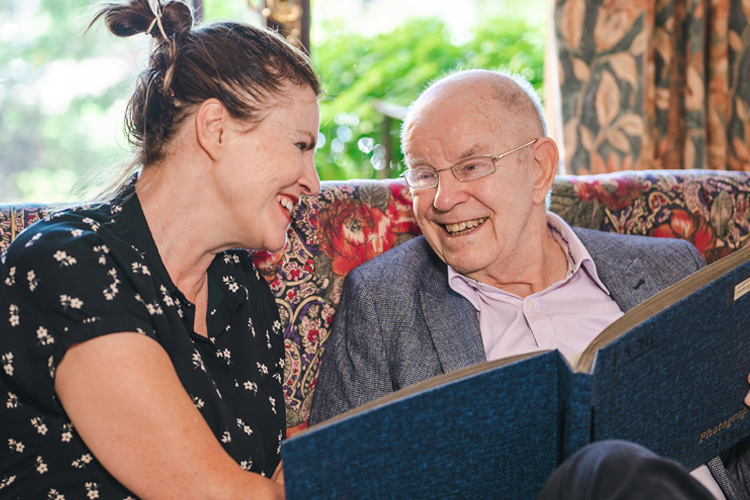
Seeing The Person, Not Just The Diagnosis
At Cappella of Grand Junction, our team has been exploring this approach through our work with Dementia Together, an organization dedicated to helping people living with dementia, and the people who care for them, live with purpose, dignity, contentment, and joy. Dementia Together provides education and support for senior living and health care professionals, with an emphasis on person-centered, relationship-based dementia care.
A dementia diagnosis can become the thing people notice first, but a diagnosis does not define who someone is. The person living with dementia is still a spouse, a parent, a grandparent, a friend, a veteran, a teacher, an artist, and a neighbor with talents and abilities to offer. Identity, relationships, preferences, and the need for connection may change, but they do not disappear simply because memory has changed.
This is the foundation of helping those living with dementia live well: person-centered care that sees the individual first.

The SPECAL® Method: A Framework For Living Well With Dementia
Dementia Together’s professional education incorporates the SPECAL® Method, developed by The Contented Dementia Trust. The approach uses a “photograph album” metaphor to explain how memory works and how dementia changes the way a person experiences and retains information. More importantly, it offers practical strategies that make living well with dementia the expectation rather than the exception.
For our team at Cappella of Grand Junction, that philosophy reinforces something fundamental. Good dementia care is not simply about managing symptoms. It is about helping a person continue to experience a meaningful life.
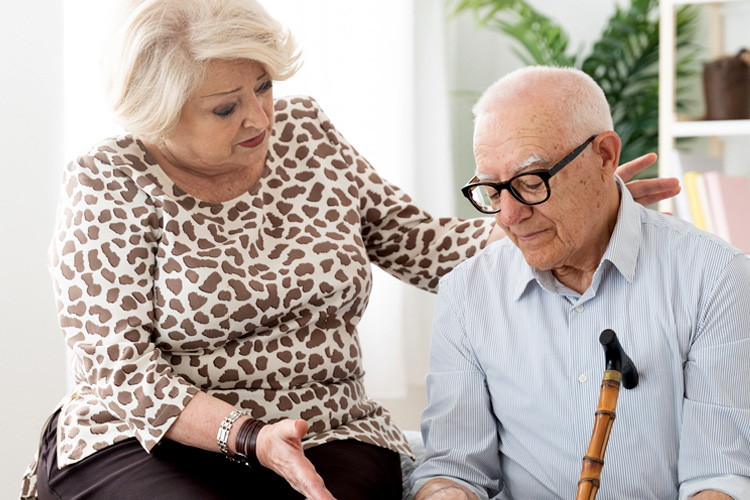
Understanding What A Person Is Trying To Tell Us
All behavior has meaning. This is one of the central ideas in Dementia Together’s education. An expression of distress is not simply something to manage or stop; it may be communicating an unmet need. It offers a chance to understand the person living with dementia more deeply, both their present and their past.
This idea reframes the questions that guide care. Instead of asking how to stop a behavior, our memory care team asks what the person is trying to tell us.
A person showing distress may be uncomfortable or overwhelmed. Something in the environment may not make sense to them, or may feel alarming. They may be looking for reassurance or connection, or trying to navigate something that seems simple to us yet is difficult for them.
Pausing to look for the meaning behind an expression of distress creates an opportunity to respond with curiosity instead of frustration, connection instead of correction, and compassion instead of simply trying to fix a “behavior.” This approach also helps prevent a far worse outcome: pharmacological interventions, which generally carry more negative effects.
Creating More Good Days
Helping those living with dementia live well means looking past completed tasks toward a fuller life.
It means creating space for:
- Enjoying a favorite song
- Recognizing a familiar face
- A conversation about something meaningful from the past
- Time spent in nature
- Finding purpose, even when that purpose looks different than it once did
These moments may seem small, but they make up what gives life meaning. They remain meaningful even when a person’s ability to remember them later may change.
Dementia Together’s approach is a reminder that living well with dementia is possible. Their education for senior care professionals centers on helping caregivers provide care that supports purpose, dignity, contentment, and joy.
Learning Is Part Of Caring
Our work with Dementia Together reflects Cappella of Grand Junction’s ongoing commitment to learning and growing as memory support caregivers. Excellent dementia care is not about having all the answers. It is about staying willing to keep learning: to listen more carefully, to understand more deeply, and to continually look for better ways to support the people who call our community home.
Our responsibility is to see the person first, then find ways to help that person continue to live well. Helping those living with dementia live well is about far more than memory. It is about the person who remains and continuing to help that person fully live well.
About the Author
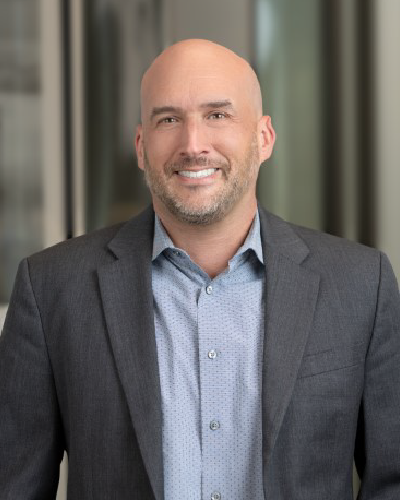
Dan Swiatkiewicz serves as Vice President of Sales and Marketing, leading occupancy strategy and growth across communities. A licensed nursing home administrator and graduate of the LeadingAge Leadership Academy, Dan is passionate about person-directed care and transforming how aging services are experienced and perceived. He currently serves on the Eden Alternative Board of Directors.