
What to Expect When Moving Your Loved One to a Memory Support Community
A Family Guide from Cappella of Grand Junction
Making the decision to move a loved one to a memory support community is never easy. Understanding what to bring, best practices for navigating the first thirty days, emotions your loved one might be experiencing, and how to work together with the community team can help create a smoother transition for both you and your loved one. While change can feel overwhelming, preparation, partnership, and compassion can make this next chapter one of safety, connection, and support.

How Do I Prepare For The Move?
Preparation begins with creating a space that feels safe, comforting, and familiar.
Our suggested packing list includes essentials such as personal care items, comfortable clothing, bedding, favorite furniture pieces, photographs, décor, and meaningful keepsakes.
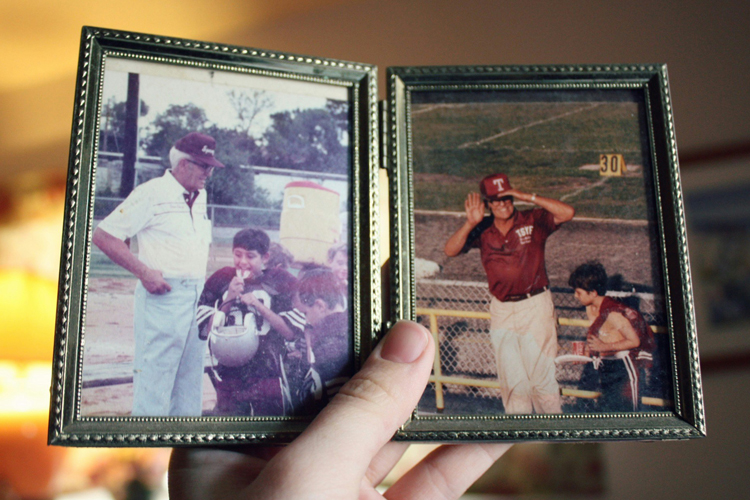
While practical items matter, what truly makes a difference are the objects that tell your loved ones’ story. Familiar quilts. A well-worn recliner. Family photo albums. A favorite lamp. A personal music player loaded with beloved songs.
At Cappella of Grand Junction we are a leading Dementia Care Community on the Western Slope. We emphasize the importance of creating a familiar environment to ease the transition into our memory support community.
Think of the apartment as a blank canvas. Involve your loved one, if possible, in arranging the space. Even small choices — where to hang a photo or place a chair — can foster a sense of ownership and control.
It is equally important to review what not to bring, including valuables, antiques, large sums of money, extension cords, or appliances that may present safety concerns. Safety is foundational in a memory support setting.
Preparing emotionally is just as important as preparing physically. Change is difficult, even when it is necessary. Give yourself grace. The move is not a single event — it is the beginning of a transition.
What Will The First 30 Days Look Like?
The first 30 days are often the most challenging. Adjustment takes time.
Your loved one may experience confusion, heightened emotions, or a strong desire to return “home.” These reactions are normal.
During this period, our team focuses on:
- Learning your loved one’s preferences and routines
- Observing patterns of comfort or distress
- Establishing consistent daily rhythms
- Building trust through gentle, relationship-centered care
We will schedule a 30-day care conference following move-in, and ongoing, bi-annual care conferences thereafter or if your loved one experiences a change of condition. These meetings allow us to review how your loved one is adjusting, discuss observations, and fine-tune care plans.
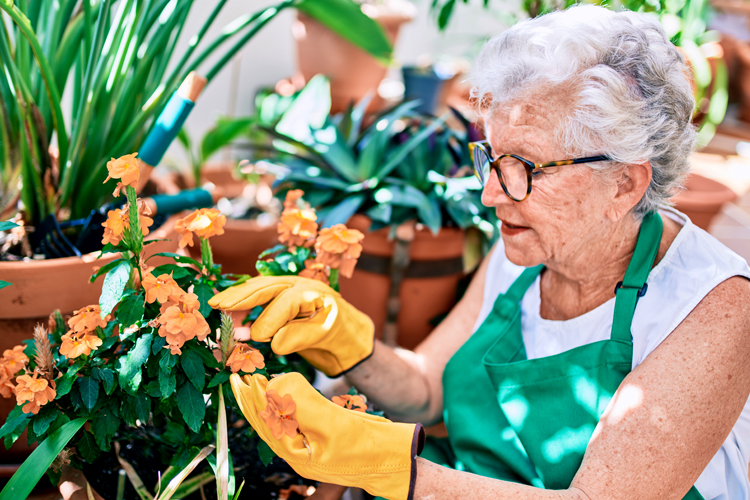
Encourage your loved one to continue activities they’ve always enjoyed — whether that’s listening to music, folding laundry, gardening, or simple social interactions. Maintaining elements of their lifelong identity supports dignity and continuity.
The goal in the first month is not perfection — it is stabilization, comfort, and connection.
How Can I Support My Loved One Through This Transition?
One of the most difficult moments families face is hearing, “I want to go home.”
The Alzheimer’s Association advises caregivers to avoid arguing or using logic to correct the statement. Instead, respond with reassurance and validation.
Rather than explaining that this is now “home,” try:
- “Tell me what you miss about home.”
- “You sound like you’re feeling uncomfortable. I’m here with you.”
- “Let’s sit together for a moment.”
Often, “home” represents a feeling of safety, familiarity, or comfort — not a specific location. Validating emotions without correcting facts can significantly reduce distress.
Three Effective Approaches For Validating Emotions For Someone Living With Dementia
Our dementia care program emphasizes three specifc ways:
- Reassure and Provide Comfort: Remain calm. Be mindful of body language and tone. Gentle touch, familiar music, or a cherished blanket can offer grounding.
- Avoid Reasoning and Detailed Explanations: Logic often increases confusion. Simple, soothing responses work best.
- Validate, Redirect, and Distract: After acknowledging feelings, gently redirect attention to an activity or memory.

What Is the Best Way to Leave After a Visit?
Goodbyes can be emotional. A loved one may ask to leave with you or become distressed when you prepare to go.
The most effective approach is to keep goodbyes simple and reassuring. For example:
“I’m heading out to run an errand. I’ll see you later.”
Avoid specific return times, as waiting can increase anxiety. Also, avoid encouraging your loved one to walk you out. Keeping them in a familiar setting helps reduce agitation.
Quality time during visits matters more than length. Sit together. Share music. Enjoy lemonade on the patio. When your loved one feels connected during your visit, departures tend to feel less abrupt.
Remember: joining their reality, rather than correcting it, is an act of compassion.
How Do I Work With The Community Team?
Successful transitions rely on partnership.
Open communication is essential. Our team is committed to consistent updates regarding social interactions, health status, nutrition, and medication changes. We encourage families to:
- Share personal history and routines
- Inform us of lifelong habits or preferences
- Notify us of changes you observe
- Attend scheduled care conferences
You know your loved one’s story. We bring expertise in dementia support. Together, we create the strongest foundation.
It is also important to remember that this transition affects you, too. Feelings of guilt, grief, relief, or exhaustion are common. The National Institute on Aging reminds caregivers that seeking support and building a care team can improve well-being for both the caregiver and the person living with dementia.
At Cappella of Grand Junction, we view families as essential members of our team. Your insight helps us tailor care with dignity and respect.
Moving Forward With Confidence
Moving into a memory support community is not about loss — it is about creating safety, structure, and connection when those things are most needed.
The first month may be emotional. There will be adjustments. But with familiar belongings, consistent routines, compassionate communication, and strong teamwork, stability grows.
Our goal at Cappella of Grand Junction is to provide not just care but belonging. We are honored to walk alongside you in this next chapter — supporting your loved one with comfort, dignity, and understanding every step of the way.